

Topical Authority in Local SEO: How to Build It for Google Maps
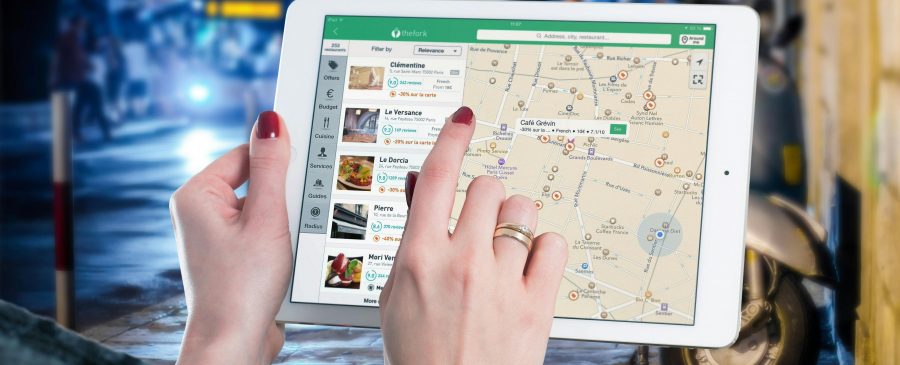
Ranking on Google Maps in 2026 depends on building topical authority in local SEO through high-quality content and a structured local SEO strategy 2026. Instead of focusing only on keywords, businesses must align with key Google Map Pack ranking factors like relevance, trust, and prominence. Optimizing profiles using a GBP Optimization Checklist, creating content clusters, and maintaining consistency help increase local search visibility, while a Map Pack Ranking Service can further boost results in competitive markets.
Key Points
- Ranking in Google Maps now depends heavily on authority, not just keywords or proximity
- Building topical authority in local SEO requires deep, interconnected content
- A strong Local SEO strategy in 2026 focuses on user intent, content quality, and consistency
- Google map pack ranking factors include relevance, proximity, and prominence
- A well-optimized profile using a GBP Optimization Checklist boosts trust and visibility
- High-quality, problem-solving content helps Increase Local Search Visibility
- Regular updates and consistent publishing are essential for long-term SEO growth
A professional Map Pack Ranking Service can help scale and maintain rankings effectively
Ranking on Google Maps in 2026 is no longer about simply adding keywords or updating your business profile. Today, businesses that want sustainable visibility are increasingly working with a professional Google Maps SEO company to build a strategy focused on long-term growth rather than short-term wins. Many are also investing in a Google Map Ranking Service to strengthen their presence in highly competitive local results.
The Foundation of Local SEO Strategy 2026
A modern local SEO Strategy 2026 is built on how search engines understand your business as a complete entity rather than just a set of keywords.
Google now connects multiple signals, including:
- Your services
- Your location
- Website content
- User behavior
Instead of focusing only on keywords, it evaluates how well your content answers real user queries and how deeply your website covers a topic. Updated Google Map Pack ranking factors reflect this shift, with authority and engagement playing a bigger role than ever before.
Local Authority vs Traditional SEO
| Feature | Traditional Local SEO | Authority-Based Strategy (2026) |
| Keyword Focus | Single keyword repetition | Semantic clusters & Entity building |
| Content Depth | Thin, location-only pages | In-depth guides & FAQ integration |
| User Intent | Only Commercial (Buy now) | Informational (How-to) + Commercial |
| Google Maps Impact | Proximity-based luck | Prominence based (Strategy) |
This shift highlights why building authority is now essential for ranking success.
Why Topical Authority Drives Map Pack Rankings
Google Maps rankings depend on three core factors:
- Relevance
- Proximity
- Prominence
While proximity is fixed and relevance has limitations, prominence is where businesses can gain a competitive advantage, especially when aligning with modern Google Map ranking factors.
Understanding Prominence
Prominence reflects how well-known and trustworthy your business is online. Google measures it using:
- Google Business Profile activity
- Customer reviews
- Backlinks
- User engagement
A business that consistently provides useful and detailed content will naturally build stronger prominence.
Real-World Impact
Consider two businesses offering the same service in the same area. One has a basic website with limited information, while the other has detailed service pages, blogs, and FAQs.
Even if the first business is closer to the user, the second is more likely to rank higher because it demonstrates greater expertise and reliability. This is the direct effect of topical authority in local SEO on Google Maps rankings.
How Search Behavior Is Changing in 2026
Users now interact with direct answers, AI-generated summaries, and voice search results, expanding beyond traditional search results. This shift means your content must clearly answer questions, be structured in a logical way, and provide meaningful insights to stay relevant and effective.
Instead of focusing on keywords alone, you need to focus on solving problems to increase local search visibility effectively.
Strategic Steps to Increase Local Search Visibility
1. Create Problem-Solving Content
The foundation of topical authority is helpful content.
Instead of writing generic pages, focus on real user problems. Many businesses invest in Google Business Optimization to improve their visibility, but without strong supporting content, results remain limited.
Your content should:
- Answer common questions
- Provide actionable insights
- Explain processes clearly
Examples include:
- Why your Google Maps ranking is dropping
- How to improve local visibility step by step
- Common optimization mistakes
2. Build Strong Service Pages
Service pages are the core of your website.
They should:
- Clearly explain your services
- Highlight your expertise
- Address user concerns
If you offer a map pack ranking service, your page should go beyond basic descriptions and explain your approach, strategies, and expected outcomes. Well-structured service pages build trust and improve conversions.
3. Use Content Clusters for Authority
Content clusters help organize your website into a strong structure.
This involves:
- One main service page
- Multiple supporting blog posts
This interconnected structure strengthens your authority and aligns perfectly with a local SEO strategy 2026.
4. Optimize Your Google Business Profile
Your Google Business Profile plays a major role in local rankings. Following a proper GBP Business Profile Optimization ensures that your listing remains competitive and fully optimized.
Key actions include:
- Selecting the correct category
- Completing all details
- Posting updates regularly
- Responding to reviews
An active and optimized profile improves trust, aligns with Google Map Pack ranking factors, and helps increase local search visibility.
5. Focus on Website Experience
User experience directly affects rankings.
Make sure your website:
- Loads quickly
- Is mobile-friendly
- Has clear navigation
- Uses simple language
Better user experience leads to higher engagement, which positively impacts SEO.
Advanced Content Strategy for Long-Term Authority
Building authority requires a long-term approach. Start by identifying your main services and creating pillar pages for each. Then develop supporting content that answers different user queries related to those services.
For example, a local SEO business can create content around:
- Ranking factors
- Profile optimization
- Reviews and reputation
- Local citations
This approach builds a complete content ecosystem that strengthens your website over time and supports a scalable local SEO strategy in 2026.
The Role of Consistency in SEO Growth
Consistency is critical for long-term success. Regularly updating your website and publishing new content signals that your business is active and reliable. Whether you’re managing content internally or using a Map Pack Ranking Service, consistency plays a key role in sustained growth.
However, consistency should not compromise quality. Each piece of content should provide value and solve a specific problem.
Understanding User Intent
User intent plays a key role in rankings.
There are three main types:
- Informational
- Navigational
- Transactional
A balanced strategy targets all three. Blogs attract informational traffic, while service pages convert users into customers.
Common Mistakes to Avoid
- Keyword stuffing
- Thin content
- Ignoring internal linking
- Inconsistent updates
- Poor user experience
Avoiding these mistakes ensures long-term growth and helps maintain strong visibility in line with modern Google Map Pack ranking factors.
Conclusion
Ranking in Google Maps in 2026 requires a structured and consistent approach.
Businesses that focus on high-quality content, strong service pages, active profiles, and smart linking instead of chasing shortcuts invest in building authority. Whether you are managing your strategy in-house or working with a professional Google Maps SEO company or a dedicated map ranking service, the goal should always be long-term growth and sustainable visibility while continuing to increase local search visibility.
Frequently Asked Questions:
1. What is topical authority in local SEO?
Topical authority means building your website as a trusted source by covering a specific topic in depth through blogs, service pages, and related content.
2. How does topical authority improve Google Maps rankings?
It increases your business’s prominence and trust, helping Google rank you higher in the Map Pack compared to weaker competitors.
3. What is the difference between Google Maps SEO and traditional SEO?
Traditional SEO focuses on website rankings, while Google Maps SEO improves visibility in local listings. Many businesses use a google maps ranking service to manage both effectively.
4. Why is Google Business Profile important for local SEO?
It helps Google understand your business details, location, and services, which directly impacts your visibility in local search results.
5. What does a GBP management service include?
A gbp management service includes profile optimization, updates, review management, and performance tracking to improve local visibility.

Map Ranks is a local SEO agency that helps businesses get found fast on Google Maps and local pack. Our team specializes in Google Maps Marketing, SEO, and optimization strategies designed to boost your visibility, attract nearby customers, and grow your local presence. We make sure your local business stands out right where it matters; on the map and in front of the people searching for you.